


When a customer came to us wanting to transform their outdoor space, the first step wasn’t calling a landscaper, it was calling us.
The site in Didsbury had a dense boundary of mature trees that had been left largely untouched. For the landscaping plans to begin, the whole area needed to be cleared. Trees felled, stumps removed, and the ground levelled and handed over clean, providing a blank slate for new development to begin.
A unique aspect of this project though, was the need for council approval first.

What do council restrictions mean for tree work?
This land was within a conservation area and is preserved to protect the character of historically or architecturally significant parts of a town or village. As Didsbury is one of these conservation areas, it adds an important step before any tree work can begin.
Under Section 211 of the Town and Country Planning Act 1990, all trees within a designated Conservation Area are subject to protection if they have a trunk diameter of more than 75mm (approx. 3 inches) when measured at 1.5 meters above ground level.
This is the case even without a specific Tree Preservation Order attached to it, which means that before a single branch can come down, a Section 211 Notice has to be submitted to the Local Planning Authority for approval.
Going ahead without that approval is a criminal offence that can result in an unlimited fine. So, before anything happened on this site, we made sure everything was properly in order.
If you want to understand the rules around site clearance before planning your project, our guide to tree work in site clearance explains what’s involved and what you need to do.

Getting the right equipment on site
A full site clearance is a different type of project to removing a single tree. The scope of this job called for a full team and a Bobcat mini excavator, brought in alongside chainsaws and a woodchipper to process everything cleanly as we worked.
Stump grinding alone doesn’t always give a landscaper the clean start they need. Full stump and root extraction with an excavator means the ground beneath is fully clear, with no buried material left to cause problems further down the line. It can take longer and cost more than stump grinding, but when someone is building on top of it, it’s the right way to do it.
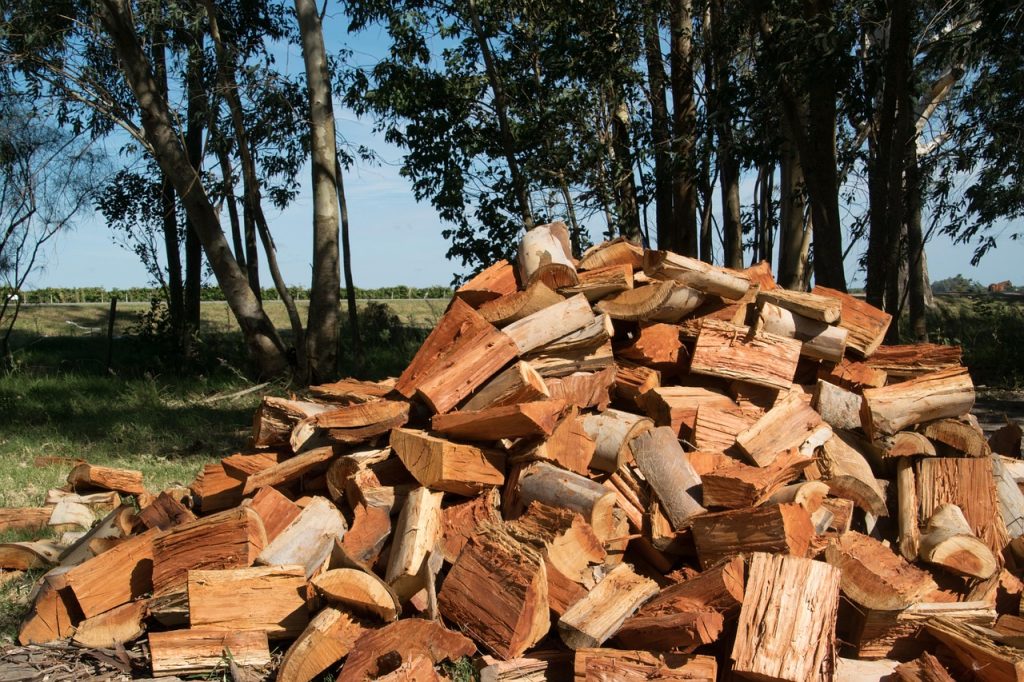
The boundary had been heavily overgrown for some time, with a mix of mature trees forming a dense canopy across the whole plot. Working methodically from one end to the other, we felled each tree, chipped and cleared the brash, and extracted the stumps before levelling the ground ready for handover.
If you’re wondering what a full site clearance actually involves from start to finish, this post about domestic and commercial site clearance provides more detail.

The result
What had been an overgrown, unusable space is now a blank canvas, fenced off with temporary hoarding and ready for the landscaping team to move in.
Thinking about something similar?
If you’re planning a landscaping project and trees are standing in the way, it’s worth getting the tree work sorted early in the process. The permissions side of things takes time, and the last thing you want is a landscaper ready to start while you’re still waiting on council approval.
We’ll handle everything for you, including the time-consuming paperwork. Give us a call on 07766 582598, drop us a message on WhatsApp, or get in touch through our contact page.