

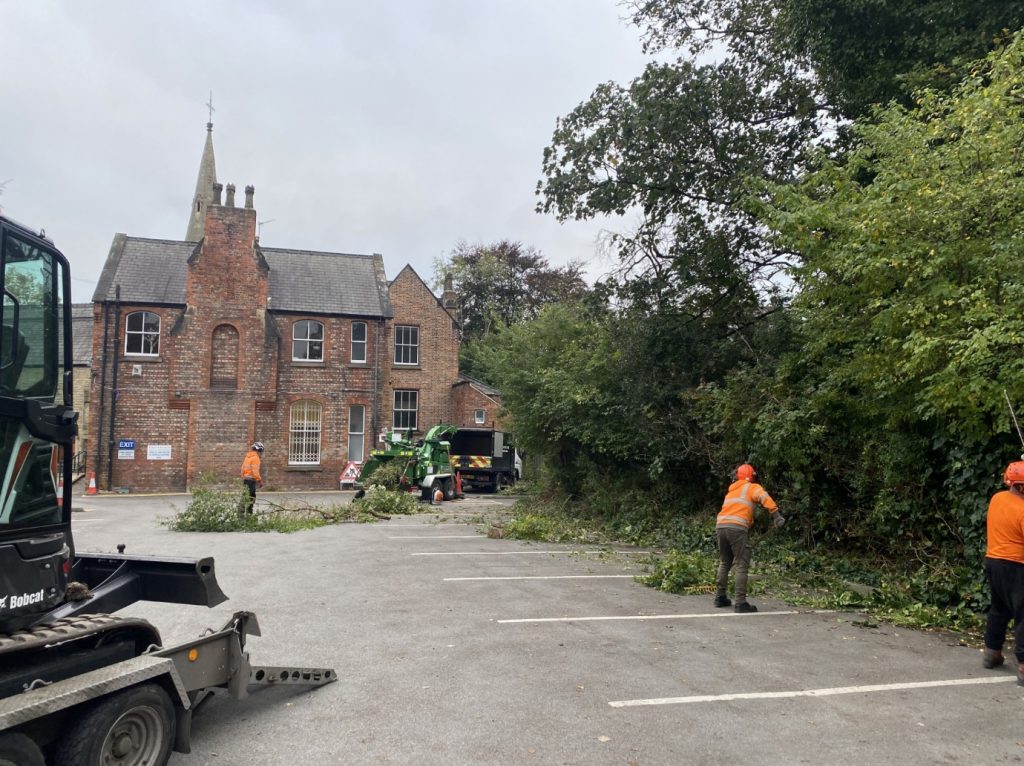

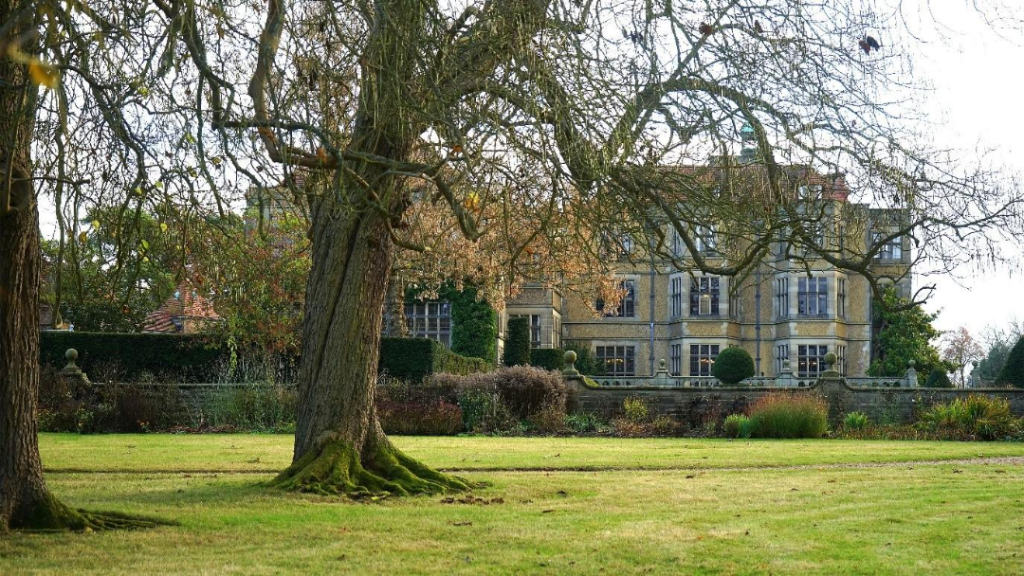
Professional tree surgeons recycle 100% of tree waste. Timber becomes firewood, branches turn into biomass fuel or garden mulch, and foliage gets composted. Licensed services handle complete removal and recycling. Zero waste reaches landfill; everything enters proper recycling streams.
Picture a tree surgeon’s van pulling away after felling that decaying oak. The garden looks clear, tidy, and professional. But where did all that wood actually go? A mature tree can produce over a ton of material, and it doesn’t need to be wasted!
Most of it gets recycled into products people use daily, like firewood for heating homes, woodchip in gardens and playgrounds, or compost sold at garden centres. Here’s how it works, what happens behind the scenes, and how to make use of it at home.
Do tree surgeons recycle everything?
Answer: Yes, licensed tree surgeons recycle 100% of tree waste. Timber processes into firewood, branches become biomass fuel or garden mulch, and foliage turns into compost. Nothing enters landfill, as it’s both a legal requirement and industry standard practice.
It may surprise homeowners to know that when our van drives away with a full load of logs, it isn’t heading to the tip. Licensed waste carriers must document where materials go and how they’re processed, ensuring responsible recycling at every step.
What happens to the wood in my garden after trees are removed or pruned?
Heavy timber, typically anything 6-inch diameter or larger, gets processed into firewood. This guarantees wood burns efficiently with minimal smoke and buildup. In Cheshire, local suppliers actively seek quality hardwood for firewood production.
Branches and brush material take a different route. Industrial chippers process everything into uniform woodchip, used for biomass power stations generating renewable electricity. The rest becomes garden mulch, soil conditioner, or playground surfacing.
Even the leaves and twigs get recycled. They’re screened, composted, and eventually used as a soil improver.
Looking for tree surgery in Cheshire? Our professional services handle all aspects of tree work with complete waste recycling, ensuring nothing reaches landfill.
Will tree surgeons take the waste away?
Yes, complete waste removal comes standard with professional tree surgery. All debris gets cleared from the property and transported to licensed facilities for recycling. Most people choose professional removal for convenience, which is also a great option.
This is one of the biggest advantages of using professional services. A team doesn’t just cut the tree and leave, and instead they handle complete site clearance. Everything loads onto vehicles for transport to processing facilities where timber, branches, and foliage separate into appropriate recycling streams.
What if I wanted to keep the trees that are cut down?
That’s absolutely fine. Tree surgeons accommodate this regularly. Timber can be cut into manageable rounds for home usage, and woodchip can be left for garden mulch.
It’s important that homeowners don’t overestimate how much they need or can store to prevent it taking up valuable property space. A medium oak produces enough rounds to fill several log stores. Which can sound great until realising it needs 18-24 months seasoning before burning, requires covered storage with airflow, and takes up significant space.
Keeping woodchip makes more sense for active gardeners with large borders. Fresh woodchip works immediately as mulch, requires no processing, and visibly improves garden beds. Cheshire’s clay-heavy soils particularly benefit, as woodchip gradually improves drainage whilst suppressing weeds.
Can leftover wood from trees be put in general waste?
No, large tree branches and wood cannot go in general waste bins. Small amounts of untreated wood can sometimes go into general waste, but it is not recommended due to limited bin space, and it should never go in household recycling bins.
Tree material qualifies as green waste under waste regulations. This is because the organic material has recycling value through composting or energy production. Mixing it with general waste contaminates both streams.
Local recycling centres accept tree waste in designated green waste bays. However, strict volume limits apply. Most centres limit loads to what fits in a car boot per visit. Anything beyond small-scale pruning requires multiple trips or professional collection.
To ensure proper recycling and avoid complications, direct tree material to appropriate green waste facilities where it will be processed responsibly:
- Green waste facilities handle large volumes of tree waste for recycling and repurposing
- Proper sorting ensures all waste streams are collected and processed efficiently
- The right disposal of tree waste keeps the local area clean and supports environmental targets
- Licensed professionals handle your tree waste, supporting environmental efforts
Professional tree surgery services eliminate these disposal concerns. Licensed waste carriers handle everything appropriately, ensuring compliance with regulations and maximising recycling and resource recovery.
There’s no need to worry about regulations or disposals.
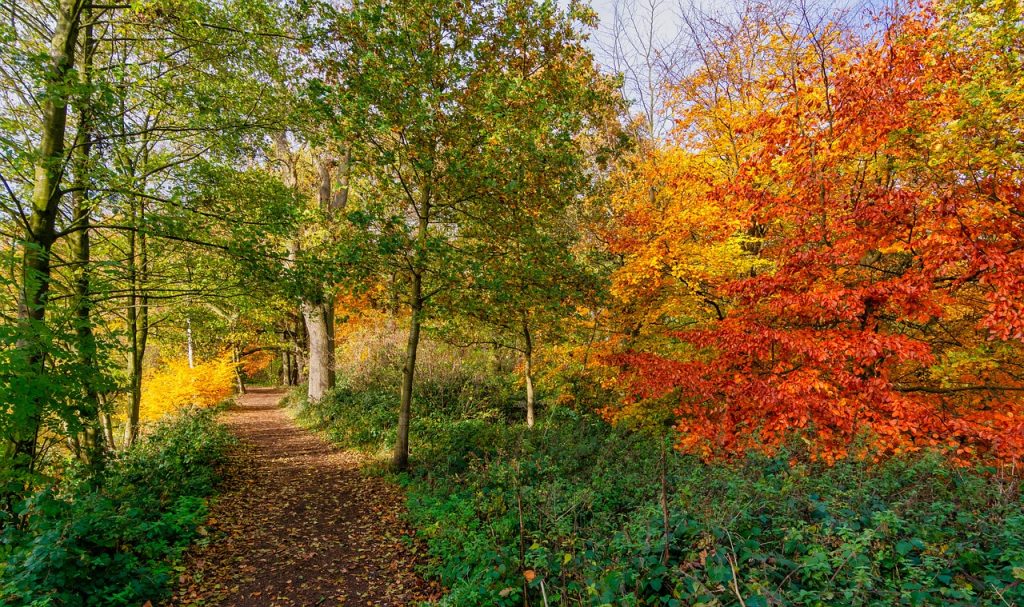
Best ways to repurpose tree waste at home
Tree waste can be repurposed into woodchip mulch for weed suppression, stacked firewood for heating, dead hedges for natural boundaries and log edging for raised beds. Each uses material that would otherwise need disposal whilst saving money on purchased alternatives.
Many homeowners will make the decision about “keeping or not keeping” the wood after a tree service or large-scale project. Here are some ways it can be kept and repurposed in an eco-friendly way.
Woodchip mulch
Are you thinking of purchasing decorative bark from a garden centre? Tree prunings create the same effect. Chipped branches produce mulch that suppresses weeds, retains moisture, and gradually enriches soil as it decomposes.
Adding it to the garden provides effective weed repellent without smothering plants. If it’s too thin, weeds push through, and too thick it can look excessive. The right amount of fresh woodchip works immediately, with no composting or aging required.
Firewood for home heating
When collecting tree logs for firewood, season it properly before use to ensure maximum efficiency and performance. Properly seasoned wood burns cleanly, retains heat effectively, and protects your stove.
Follow these recommendations for best results:
- Season firewood for around 18-24 months
- Store any logs in a covered space with clear airflow
- Take note of when the tree was felled, as this impacts seasoning timelines.
For those with wood burners and proper storage, the payoff is substantial. A large oak produces enough firewood to heat a home for several months. This is a great, carbon-neutral heating method that smells amazing whilst reducing energy bills.
Informal garden paths
Have you ever noticed those soft woodchip paths in National Trust gardens? The materials they’re made from are the same that comes from tree prunings, just laid deliberately as path marks.
To maintain these types of decorative pathways, it’s important to regularly top up the layers as lower layers decompose. This happens naturally every 2-3 years with typical use. Each top-up uses fresh pruning waste, creating a cycle that eliminates disposal needs.
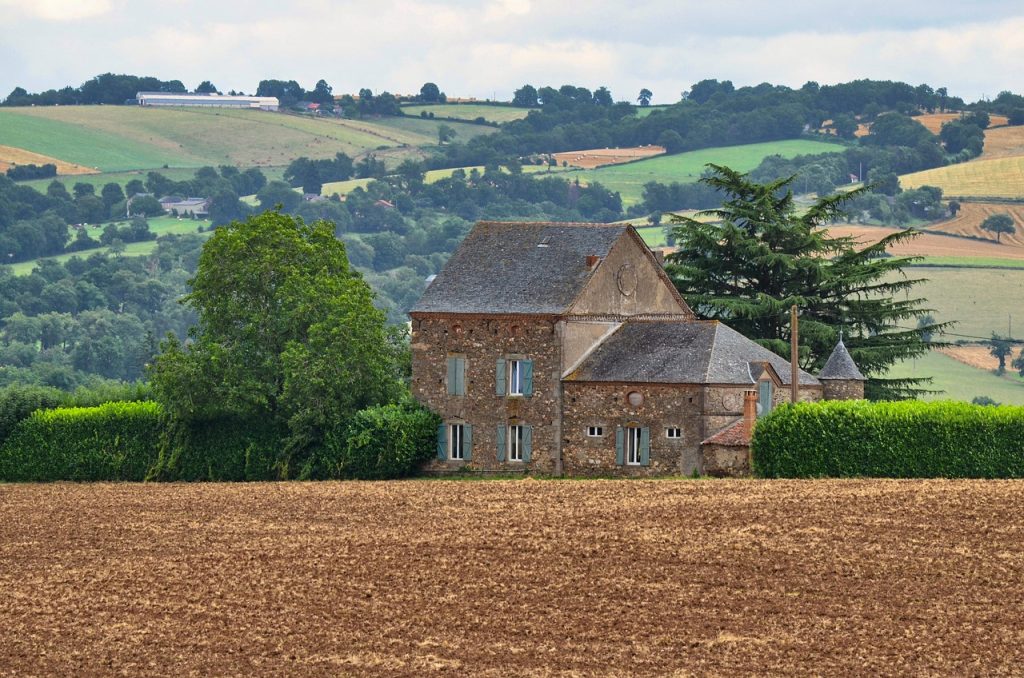
What eco-friendly tree services mean for homeowners
Sustainable tree services avoid soil contamination in gardens, and prioritise keeping healthy trees alive, saving homeowners money whilst protecting property value and garden health.
Waste recycling is regulated, and all professionals must do it. The real difference shows in operational practices that directly affect properties and neighbourhoods during the work itself.
Keeping trees saves money and property value
The most sustainable approach avoids removal entirely when possible, which benefits homeowners directly.
Keeping trees alive preserves property value, maintains garden character, and costs less than removal and replacement planting.
Understanding Tree Preservation Orders helps recognise when trees have legal protection, avoiding fines for unauthorised work on protected trees.
Best practices for managing tree waste responsibly
Plan temporary storage carefully with defined timelines: Decomposition takes 5-10 years depending on wood type. Plan storage duration accordingly or consider professional removal for better space management.
Allow adequate seasoning time before burning: Properly seasoned wood burns more efficiently and cleanly. Fresh wood contains high moisture content and requires 12-24 months of seasoning in open-sided covered storage for optimal performance and minimal smoke.
Plan visits to councils within their volume guidelines: Most centres limit green waste to car boot capacity per visit, which works well for routine pruning. For larger tree removals, plan multiple trips or arrange professional collection for efficiency.
Choose open-sided covered storage for proper seasoning: Open-sided covered storage provides the perfect balance, allowing moisture to escape while protecting from heavy rain, enabling efficient seasoning and reliable burning performance.
Calculate storage space realistically based on tree size: A medium tree produces significant volumes of material. Consider available storage space and timeline before committing to keeping materials or opt for professional removal to maintain a garden space.
Get expert guidance for tree work planning
Planning tree work in Cheshire? Contact the team for honest advice about what needs doing, clear information about waste options, and transparent pricing.
Every project includes complete site clearance with responsible recycling. There are no hidden costs, and no mess left behind.
Get in touch with Dave Barlow Tree Services (Trading as Cheshire Trees) now.