


Quick Answer: Mature trees increase property values by 10-20%, provide significant environmental benefits, including increased carbon absorption compared to young trees, reduce energy costs, and require less financial investment than removal and replacement. Mature trees are a valuable asset that benefits both property owners and the wider environment.
Mature trees are far more than nice-to-have garden features. They deliver measurable financial returns, environmental benefits, and quality of life improvements that young trees take decades to match.
Understanding the true value of tree maturity helps property owners make informed decisions about preservation versus removal. In this blog post, we’ll explain how mature trees add value and how to take care of them.
Do mature trees add value to a property?
Yes, mature trees increase property values by up to 15% according to property valuation studies. Well-maintained, established trees represent one of the highest-return landscape investments, with buyers willing to pay substantial premiums for properties with mature landscaping.
The value of mature trees stems from what they represent to buyers, which is decades of growth impossible to replicate quickly. They are a unique selling point to a property and have kerb appeal that impacts first impressions during viewings.
When tree removal decreases value:
Removing healthy mature trees typically decreases property values unless specific circumstances justify removal. Properties stripped of established landscaping appear barren and newly-developed, even in older neighbourhoods. The visual impact alone can reduce buyer interest and support lower offers.
There is an exception, though…
When trees genuinely threaten property safety, cause structural damage, or prevent necessary development, appropriate tree removal or strategic tree pruning becomes essential to maintain the functionality of a property as well as its long-term value.
This is where professional assessments can be the most useful, to identify trees requiring intervention, or valuable trees worth preserving.
For cases of removals, understanding Tree Preservation Orders (TPOs) becomes essential, as unauthorised work can result in substantial fines beyond the lost property value.
Mature trees are more energy efficient and can save you money
Keeping mature trees can reduce residential energy costs by over 13% through strategic shading and wind reduction. And it doesn’t need to be a lot of trees either!
A single well-positioned deciduous tree can save money for homeowners annually on cooling costs, whilst evergreen windbreaks reduce heating expenses in winter months.
The energy efficiency benefits of tree maturity deliver ongoing financial returns that young trees won’t provide for decades due to the amount of time taken for them to fully grow.
So, with evergreen mature trees positioned strategically throughout a garden or landscape, property owners can help prevent heat loss and reduce the usage of central heating systems during cold months, which can vary in the UK climate.
The cumulative savings from simply choosing to keep a mature tree in the garden is worth it, far more than any benefits to cutting them down.
How do mature trees affect the environment vs young trees?
Answer: Mature trees produce significantly more oxygen and absorb substantially more CO2 than young trees. The average tree absorbs an average of 10 kilograms, or 22 pounds, of carbon dioxide per year for the first 20 years. A single mature tree, however, can absorb approximately 22kg of CO2 annually, which is much higher!
This all depends on the species to know how much carbon is absorbed per tree, but it’s more beneficial to keep a mature tree, than to start over with a younger one.
How mature trees can help with carbon capture:
- Tree maturity correlates directly with carbon storage capacity, so mature trees are great for carbon capture, also known as carbon sequestration
- Larger trunks, extensive branches, and developed roots are more likely to contain a lot more stored carbon than smaller trees
- Annual carbon absorption rates increase dramatically with tree maturity
- Established trees in peak growing years absorb 3-10 times more CO2 annually than younger plants
- Preservation of existing mature trees is expected to be far more effective for carbon reduction than removal and replacement
Benefits to air quality
Mature tree canopies filter particles and pollutants from air at higher rates compared to young trees. The leaf surface area of established trees captures dust, pollen, and pollution particles that would otherwise affect air quality and human health.
Research demonstrates that areas with mature tree cover have much lower airborne pollutants and particles, which benefits public health in the long term.
More mature trees, more oxygen
Whilst all trees produce oxygen through photosynthesis, the volume is impacted directly by leaf mass and tree capacity. Mature trees with larger canopies generate substantially more oxygen than younger trees with less foliage. Young trees require 10-15 years before approaching similar oxygen production levels, making mature tree preservation more beneficial than removal and replanting.
Habitat and biodiversity support
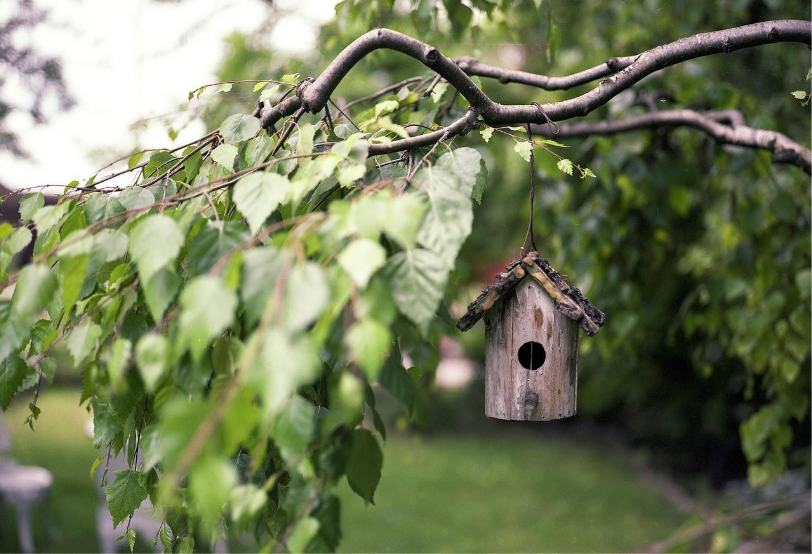
Mature trees support a larger amount of biodiversity than young trees. These trees provide nesting sites, food sources, and habitats for local wildlife. A single mature tree can support various insect species, numerous birds and small mammals.
Irreplaceable habitat features:
- Deadwood habitats: Natural cavities and loose bark provide nesting sites for birds, bats, and insects
- Branches and canopies: Branching creates diverse microhabitats at multiple levels
- Developed roots: Well-established roots support soil fungi and ground-dwelling species
- Food abundance: Mature flowering and fruiting trees support pollinators and seed-eating wildlife
And there are urban benefits, for example, mature trees in residential areas allow wildlife movement between green spaces.
So, when you keep that old tree in your garden, you’re also probably housing a variety of natural species for many years to come.
Tree maintenance vs removal and replacement
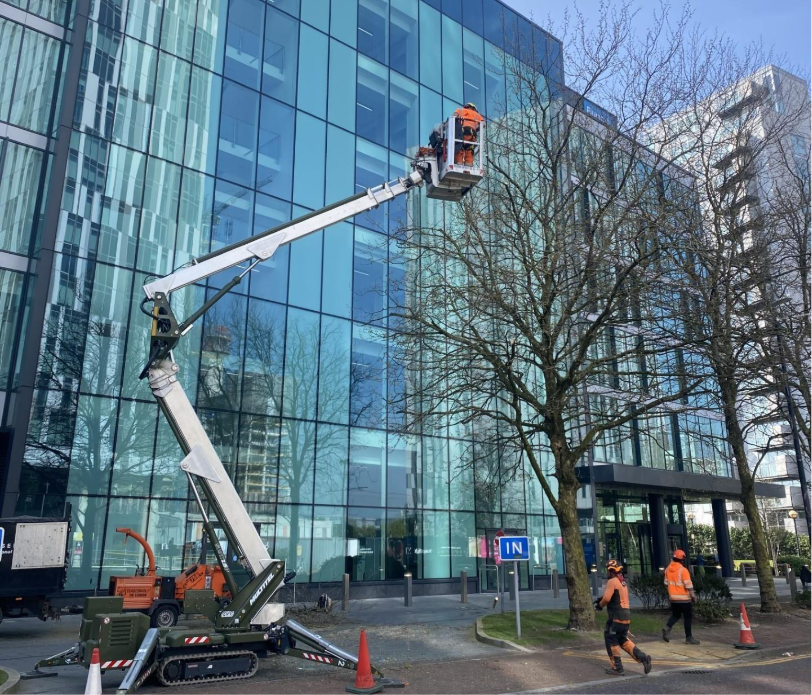
Maintaining healthy mature trees costs less than removal and replacement over time. Tree pruning and maintenance is an easy way to keep trees safe, secure, and ready for the year ahead, with regular ongoing investment that protects existing value.
Tree maintenance and techniques like pruning keep trees healthy for many years, offering benefits like:
- Safer growth in a garden with less risk to people or nearby infrastructure
- Mature trees often look more impressive to buyers and can be a unique selling point if the property is up for sale
- More wildlife will spend time on the land, making it a greener, healthier space
- It’s less likely that property owners will need to spend money on emergency removals or treatments, as the tree would be monitored regularly
Tree removal shouldn’t be the first choice. Removal makes sense in emergencies when trees pose genuine threats to safety or property, however, professional tree surgeons like us will view complete removal as the last resort, only recommending it when circumstances require. In many situations, what is seen initially as a removal could benefit from strategic pruning instead.
And once a mature tree is gone, the benefits of having it can’t be instantly replaced.
New trees require 3-5 years of intensive care and monitoring, including watering, staking and protection to allow them to grow properly. During this period, there are minimal benefits provided, even though the tree itself will still require ongoing investment. And for some species, full maturity can take up to 20-40 years.
How can tree pruning help mature trees?
Answer: Tree pruning maintains mature tree health and safety whilst retaining most of the canopy and environmental benefits. Strategic crown reduction, deadwood removal, and structural support extend tree longevity by decades compared to neglect or cutting it down altogether.
For any tree pruning, the approach is preservation-focused, prioritising minimal intervention and addressing legitimate concerns, all while maintaining the structural integrity and lifespan of the tree.
The benefits of tree pruning:
- Better tree health: Removing diseased, damaged, or crossing branches
- Keeping the area safe: Eliminating hazardous deadwood and reducing wind resistance
- Size control: Crown reduction manages scale without removing trees entirely
- Preparing a tree long-term: The right tree pruning reduces storm damage risk and extends lifespan
- Value retention: Maintains the property value contribution mature trees provide
With the help of professional tree surgeons, homeowners can keep mature trees safe, secure and aesthetically pleasing.
Knowing when mature trees need to be maintained
Answer: Annual visual inspections identify obvious concerns whilst professional assessments every 3-5 years ensure mature tree safety. Warning signs include significant deadwood, trunk cracks, fungal growth at base, major limb attachments showing weakness, and substantial lean development.
Understanding when mature trees require professional attention helps property owners maintain them without unnecessary intervention. Most mature trees need minimal management when sited appropriately and maintained properly, and many conditions can be resolved through tree pruning rather than full tree removal.
For more on tree maintenance, read this blog post on our website now.
Maintain mature trees with the help of professional tree surgeons
Mature trees represent great assets in a garden, delivering financial, environmental, and quality of life benefits that young replacements won’t match for decades.
Property value premiums increase, energy cost reductions, and immense environmental impacts make the preservation of mature trees both economically and ecologically the right choice in most circumstances.
Investing in the future of these trees with the help of a professional reaps many benefits, and trusting professional guidance will keep them valuable for years to come.
Are you concerned about mature tree safety or considering removal?
Ask us for a professional assessment today using our website contact form or call us on 07766 582598.
For convenience, try the WhatsApp chat feature on our website.